If I Take My CBPM Exactly as Directed, Can I Still Exceed the THC Limit?
Cannabis-Based Product for Medicinal Use (CBPM) prescriptions are becoming increasingly common in the UK, especially following guidance from General Medical Council (GMC) standards and NHS England policies. Patients often ask: “If I take my CBPM exactly as directed, can I still exceed the legal THC blood limit when driving?” This question touches on the complex interaction between pharmacology, law enforcement testing, and legal defences under UK legislation. Let’s break it down with real-world clarity.
Understanding the THC Blood Limit vs Impairment
The UK’s driving legislation sets a strict limit for tetrahydrocannabinol (THC) in your blood if you are driving. The offence is defined under the Drug Driving Offences section of the Road Traffic Act 1988. The legal limit for THC is very low — 2 micrograms per litre of blood serum. This is a zero-tolerance system in all but name, meaning the presence of THC above this amount is a criminal offence regardless of actual impairment.
SubstanceLimitMeasurement THC (tetrahydrocannabinol)2 microgramsper litre of blood serumKey point: The THC limit is about the presence of the substance, not a proven impairment test. You can be patient unimpaired but over limit. This means you might feel completely alert and safe to drive, yet legally be committing an offence if your blood THC is over the set threshold.
This contrasts with alcohol where there is a clear correlation between blood alcohol level and impairment. For THC, residual metabolites can linger in the bloodstream long after the psychoactive effects have subsided.
The Statutory Medical Defence and Evidence Burden
Since a THC reading over the limit is an offence, how does taking CBPM exactly as prescribed factor into your legal defence?
In 2015, the UK Government introduced a statutory medical defence for some prescribed drugs including CBPM. This means that if you have a prescription and took the medicine according to your doctor’s directions, you cannot be convicted for the offence despite exceeding the THC limit.
But beware: The defence is not automatic. You must prove:
- You were prescribed the CBPM legally (prescription or documented NHS England approval).
- You took the CBPM exactly as directed by your doctor (timing, dosage).
- You were not impaired when driving.
The onus lies on you because the initial test suggests offence. This is why retaining prescription paperwork and detailed dosing records is critical. In court, evidence such as prescription history, NHS England documentation, and statements from your healthcare provider can be decisive.
Roadside Swab Test vs Police Station Blood Test
Let’s go through the usual police drug testing process after suspicion of drug driving:
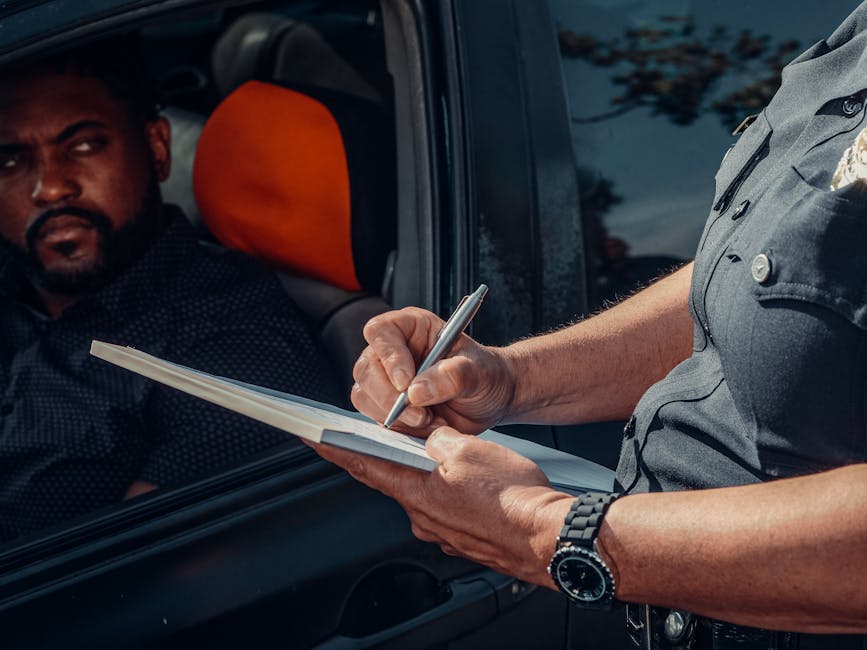
- Roadside Swab Test: This is a saliva swab taken at the roadside by police using devices similar to those used by companies like EV Powered. The swab quickly detects the presence of THC and other drugs but does not provide a blood concentration level.
- Police Station Blood Test: If the roadside test is positive, you will be required to give a blood sample at the police station. This blood test is far more precise, measuring the exact THC concentration in micrograms per litre.
The https://dlf-ne.org/whats-the-simplest-driving-pack-for-medical-cannabis-patients/ roadside swab acts as a preliminary screening. However, if you have recently used CBPM under medical direction, THC can be detected in saliva well after the psychoactive effects have waned — sometimes up to 24 hours or more. This can lead to subsequent blood tests that show THC levels over the legal limit even when you’re unimpaired.
Real-World Scenario: Keys in Pocket at a Charger
Imagine you’re charging your electric vehicle (EV) at a station run by EV Powered. You’ve taken your CBPM exactly as prescribed earlier that day. Police officers stop by for a routine check and perform a roadside swab. The swab indicates THC presence.
Because your EV is charging and you are practically stationary, you might think you are safe. However, the “EV charging downtime” is a legal risk window. If the police require you to withdraw your vehicle and drive or move to the station for a blood test, you could fail even without impairment.
During charging, the keys are often in your pocket or bag, and the vehicle’s interface could allow simple movement without engine noise. Yet, the law treats stopping and parking as driving if the vehicle moves or is in control of the driver.
EV Charging Downtime: An Underappreciated Legal Risk Window
Charging your EV is not a “safe zone” to avoid drug driving laws. If you have CBPM-related THC in your system over the limit, police actions like moving your vehicle or asking for a blood test can lead to charges even if you do not actually intend to drive.
It’s essential to remember:
- THC blood levels remain measurable long after use.
- Roadside swabs detect recent usage but don’t prove impairment.
- You must be prepared for police station blood tests if flagged by roadside devices.
Planning your medication timing around anticipated driving and charging stops is prudent, and discussing this with your prescribing doctor and pharmacist (ideally via NHS England advice channels) can manage risk effectively.
Summary Table: Key Points on CBPM and THC Limits
AspectDescriptionLegal Impact Directed Use Taking CBPM exactly as prescribed under medical supervision Statutory defence available but requires proof THC Blood Limit 2 micrograms per litre (serum) Exceeding is an offence regardless of impairment Impairment Not required to prove to establish offence Possible to be unimpaired but over limit Roadside Swab Test Quick saliva test for THC presence Triggers further testing but not conclusive Police Station Blood Test Precise THC concentration analysis Primary evidence in prosecutions EV Charging Downtime Period while EV is connected and stationary Legal risk window if tested by policeFinal Advice: Navigating Your Legal and Medical Responsibilities
If you are prescribed CBPM and plan to drive, remember the following:
- Keep prescriptions and dosing records: These are crucial for the statutory defence.
- Understand that ‘over limit’ ≠ ‘impaired’: The law treats presence strictly.
- Prepare for roadside swabs and blood tests: Both tests can detect THC long after effect.
- Plan CBPM dosing around driving and EV charging stops: Avoid recent doses if you intend to drive immediately after charging downtime.
- Consult your healthcare provider about medications and driving: GMC guidance recommends discussing risks openly with your prescribing doctor.
Internet myths such as “engine off means no offence” or “prescription means free pass” are simply Extra resources untrue and can cost you severely in legal terms.
By understanding the strict thresholds and statutory defence conditions, you can better manage your safety, legal obligations, and rights as a CBPM patient.